
Dinner cleanup can feel like the hardest part of cooking, especially after a busy day. Plates, pans, utensils, food scraps, and leftovers can quickly turn a comfortable kitchen into a crowded workspace. The good news is that a few simple habits can make cleanup faster and less stressful.
The goal is not to keep the kitchen perfectly clean while you cook. Instead, focus on reducing mess, making each task easier, and creating a routine that works for your household.
Start With a Cleanup Friendly Plan
Some meals naturally create more cleanup than others. Before you start cooking, think about how many pots, pans, bowls, and utensils the recipe requires. With a little planning, you can often prepare the same meal using fewer dishes.
Choose One Pot or One Pan Meals
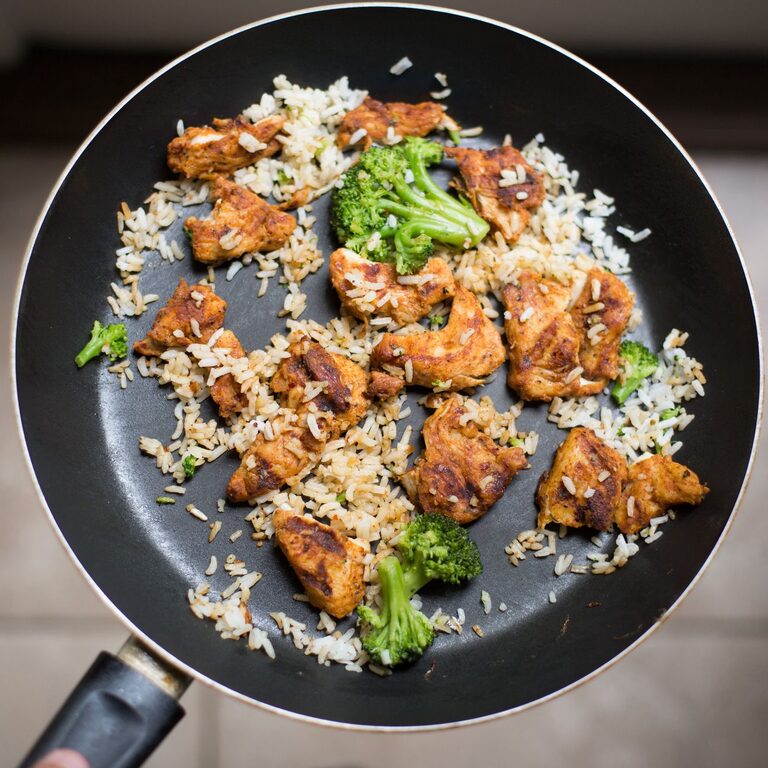
One pot meals, sheet pan dinners, and skillet recipes can greatly reduce the number of items you need to wash. Soups, pasta dishes, roasted vegetables, and simple rice meals are often easy to prepare in one main cooking vessel.
When choosing a recipe, look for instructions that allow ingredients to be cooked in stages in the same pan. For example, you might cook vegetables first, set them aside briefly, and then use the same pan for the main dish.
Prepare Ingredients Efficiently
Gather ingredients before you begin cooking, but avoid using a separate bowl for every item. If several ingredients go into the pan at the same time, place them together in one bowl or on one cutting board.
You can also reduce mess by:
– Measuring dry ingredients directly into the cooking pot when practical
– Using a plate as a temporary holding area for prepared ingredients
– Reusing a measuring cup for ingredients with similar textures
– Keeping a small bowl nearby for peels, stems, and packaging
Clean as You Go
Cleaning as you go does not mean stopping after every step. It means handling small tasks during natural pauses in the cooking process.
While water is heating or food is simmering, use that time to wash a cutting board, rinse a measuring spoon, or put ingredients away. These short bursts of effort can prevent a large pile from building up after dinner.
Keep the Sink Manageable
A crowded sink can make cleanup seem more difficult than it really is. Try to keep one side of the sink or a nearby basin available for washing. Rinse items and stack them neatly instead of placing them randomly.
If you have a dishwasher, load items as soon as you are finished with them. If you wash dishes by hand, fill a basin with warm, soapy water during meal preparation. Soaking can help loosen food and make washing easier later.
Deal With Messes Quickly
Food is usually easier to remove before it dries. If a pan has stuck-on sauce or cooked food, add warm water soon after it is no longer hot. Let it soak while you finish preparing the meal.
For counters and stovetops, wipe up spills as soon as possible. A quick wipe takes only a moment, while dried spills may require extra scrubbing.
Use Fewer Tools
Using fewer tools is one of the simplest ways to reduce cleanup. Before reaching for another item, consider whether something already in use can do the job.
A chef’s knife may handle vegetables, herbs, and other ingredients. One cutting board may be enough for the entire meal if it is used in an orderly way. A single large bowl can often replace several small prep bowls.
This does not mean you need to avoid helpful kitchen tools. Instead, choose tools that perform more than one task and make sure each item earns its place in the cleanup pile.
Keep Helpful Supplies Nearby
Store frequently used cleaning supplies where you can reach them easily. A dish brush, sponge, cloth, and trash or compost container should not be difficult to find.
You may also want to keep the following items close to the cooking area:
– A heat safe trivet for hot cookware
– A small container for food scraps
– Reusable towels for spills
– A scraper for stuck-on food
– A drying mat or clear section of counter
When cleanup supplies are convenient, you are more likely to use them right away.
Make Serving Simpler
Serving dinner can create extra dishes, especially when food is transferred from a pot or pan into multiple serving bowls. Choose the simplest serving method that fits the meal.
For casual dinners, serve food directly from the cooking vessel when it is suitable and safe to do so. For other meals, use one large serving dish instead of several small bowls.
You can also set the table with only what people need. If a meal does not require multiple utensils or extra condiments, leave them off the table. Fewer items on the table mean fewer things to clear afterward.
Create a Leftover Routine
Leftovers are easier to manage when you have a plan. Before dinner, make sure you have clean storage containers available. This prevents the end of the meal from becoming a search for matching lids.
After serving, transfer leftovers into containers while the food is still easy to portion. Labeling containers with the date can help you keep the refrigerator organized and avoid forgotten meals.
To reduce container clutter:
– Keep similar containers together
– Store lids in one easy-to-reach location
– Use containers that stack well
– Match leftovers to the container size
– Wipe the outside of containers before storing them
If only a small amount remains, consider adding it to the next day’s lunch or combining it with another meal.
Share the Work
Dinner cleanup does not need to belong to one person. A simple division of tasks can make the process quicker and more balanced.
One person might clear the table while another loads the dishwasher. Someone else can wipe the counters, sweep the floor, or put away leftovers. Even young family members can help with simple tasks such as carrying unbreakable items to the kitchen or sorting utensils.
A short, regular routine often works better than asking everyone to clean up everything at once. Make each task clear and keep expectations realistic.
Try a Ten Minute Reset
When the meal is over, set aside ten minutes for a focused kitchen reset. Use the time to complete the most visible and useful tasks:
- Clear plates and food from the table.
- Store leftovers.
- Load or wash the dishes.
- Wipe the counters and table.
- Check the sink and stovetop.
- Sweep up crumbs if needed.
You may not finish every task in ten minutes, but the kitchen will usually feel much more manageable. If there is still work left, the remaining tasks can be handled later without the room feeling overwhelming.
Make Cleanup Easier Tomorrow
After the kitchen is reset, take a moment to notice what caused the most trouble. Did one recipe require too many bowls? Was the trash container too far away? Did you run out of clean towels?
Small adjustments can improve your routine over time. Keep recipes that are easy to clean up in your regular meal rotation, organize supplies where they are most useful, and replace tools that create unnecessary work.
Dinner cleanup does not have to be perfect to be effective. By planning ahead, cleaning during natural pauses, using fewer tools, and sharing the work, you can make the end of the meal faster and more comfortable.
