
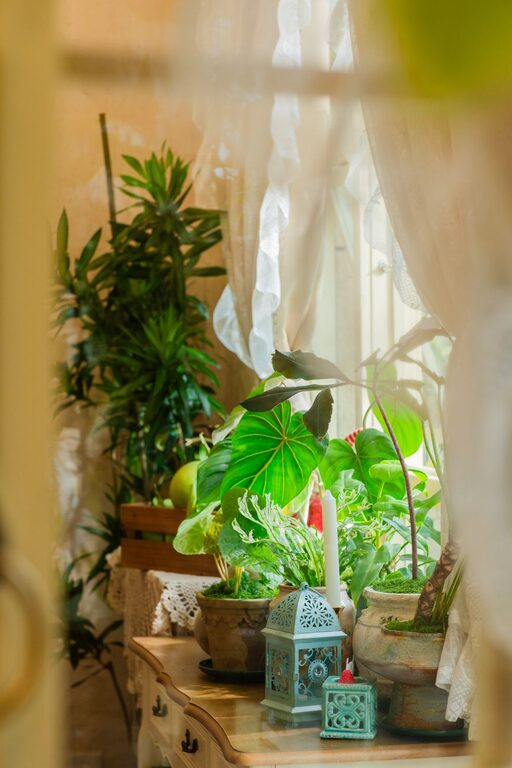
Plants are one of the easiest ways to refresh your home. They add color, texture, and natural character without requiring a major redesign. Whether you live in a spacious house or a small apartment, a few well-placed plants can make rooms feel more inviting and complete.
The key is to choose plants that suit your space, lifestyle, and decorating style. With the right combination of plant types, containers, and placement, you can create a home that feels fresh and comfortable throughout the year.
Start With the Light in Your Home
Before buying plants, observe how much natural light each room receives. Light is one of the most important factors in plant care, and every variety has different needs.
Bright light
Rooms with bright, indirect light are suitable for many popular houseplants. Place plants near a sunny window, but keep them far enough away to protect leaves from intense afternoon rays.
Good choices include:
– Snake plants
– Spider plants
– Pothos
– Rubber plants
– Jade plants
Low light
Some rooms receive little direct sunlight, especially hallways, bathrooms, and north-facing spaces. Choose plants known for adapting to lower light levels.
Try:
– Cast iron plants
– ZZ plants
– Snake plants
– Chinese evergreen
– Heartleaf philodendrons
Keep in mind that low light does not mean no light. Most plants still need some natural or artificial light to stay healthy.
Humid spaces
Bathrooms and kitchens often have more moisture in the air than other rooms. If the space has enough light, it can be a good home for plants that enjoy humidity.
Consider:
– Ferns
– Calatheas
– Pothos
– Spider plants
– Air plants
Refresh Each Room With Plants
Plants can serve different purposes depending on where you place them. They can fill empty corners, soften hard surfaces, or create a natural focal point.
Living room
The living room is often the best place for a statement plant. A tall plant in an attractive pot can fill an empty corner and draw the eye upward.
Consider placing a large plant beside:
– A sofa
– A bookcase
– A reading chair
– A media cabinet
– A bright window
For a layered look, combine plants of different heights. Use a tall floor plant, a medium plant on a stand, and a small plant on a table or shelf.
Kitchen
The kitchen is a practical place for compact plants. Herbs on a windowsill add color and can also be useful while cooking.
Try growing:
– Basil
– Mint
– Rosemary
– Thyme
– Chives
If your kitchen has limited light, use decorative plants that can tolerate those conditions. Place them on open shelves, above cabinets, or beside a sink, while keeping them away from heat and cooking splashes.
Bedroom
A few carefully chosen plants can make a bedroom feel calm and welcoming. Keep the arrangement simple to avoid making the room feel crowded.
Small plants work well on:
– Bedside tables
– Dressers
– Window ledges
– Wall shelves
Choose pots that match the room’s colors. Soft white, natural clay, light wood, or muted green can create a relaxed appearance.
Bathroom
Plants can soften the clean, practical look of a bathroom. If there is a window, use moisture-loving plants in small containers. Hanging planters are especially useful when counter space is limited.
Make sure the bathroom has enough light and ventilation. Excess moisture combined with poor airflow can lead to problems for both plants and surfaces.
Use Containers as Decor
The right container can be just as important as the plant itself. Pots are an opportunity to add color, pattern, and texture to your rooms.
For a coordinated look, repeat one or two materials throughout your home, such as:
– Terracotta
– Ceramic
– Woven baskets
– Concrete
– Metal
– Wood
You can also mix materials for a more collected style. For example, pair a glossy ceramic pot with a woven basket or place a simple terracotta pot on a wooden stand.
Always use a pot with drainage or place the plant in a nursery pot inside a decorative container. Excess water needs somewhere to go, and proper drainage helps prevent root problems.
Create Eye-Catching Plant Displays
You do not need a large collection of plants to make an impact. A thoughtful display can refresh a room with just a few pieces.
Try a plant shelf
Arrange plants on a bookshelf or wall shelf, mixing them with books, framed art, and small decorative objects. Use plants with different leaf shapes to create variety.
Trailing plants such as pothos or string of hearts can hang over the edge, while upright plants can add height and structure.
Add a plant stand
A plant stand brings greenery off the floor and makes a small plant more noticeable. Group stands of different heights together for a simple display.
This approach works well in corners, beside windows, or near entryways.
Hang plants
Hanging planters are useful for adding greenery without taking up valuable floor or counter space. They work especially well in kitchens, bedrooms, and living rooms.
Before installing a hanging planter, make sure the ceiling or wall can support its weight. Choose a secure hook and keep the plant away from walkways.
Use a plant grouping
Group three or five plants together for a natural arrangement. Odd-numbered groupings often look balanced without feeling too formal.
For the best effect, vary:
– Plant height
– Leaf size
– Container shape
– Leaf color
– Surface texture
Leave enough space between plants so each one can be seen and cared for easily.
Match Plants to Your Decorating Style
Plants can complement nearly any interior style. The goal is to choose varieties and containers that support the look you already have.
For a modern home, use plants with clean shapes and simple pots. Tall snake plants, rubber plants, and sculptural succulents are good options.
For a relaxed or rustic space, try leafy plants in terracotta pots, woven baskets, or handmade ceramic containers.
For a colorful room, use green plants as a calming contrast. If your decor is mostly neutral, plants with patterned leaves or colorful pots can add visual interest.
Keep Plant Care Simple
A refreshed home looks best when plants are healthy. Create an easy care routine instead of relying on guesswork.
Check each plant regularly for:
– Dry soil
– Yellowing leaves
– Dust on the leaves
– Pests
– Roots growing through drainage holes
Water only when the soil needs it. Many indoor plants suffer from overwatering rather than underwatering. Press a finger into the soil before watering, and follow the care instructions for the specific plant.
Wipe broad leaves with a soft, damp cloth to remove dust. Rotate plants every few weeks so they grow evenly toward the light. Remove damaged leaves with clean scissors to keep the plant looking tidy.
Refresh Your Plant Collection Seasonally
Changing small details throughout the year can keep your home feeling current. In spring and summer, add lighter containers, flowering plants, or fresh herbs. During fall and winter, use woven baskets, darker pots, and plants with rich green leaves.
You can also move plants between rooms as light and temperature change. Keep them away from cold drafts, heating vents, and very hot windows.
Refreshing your home with plants does not require a large budget or a complete makeover. Start with one room, choose plants that fit its light, and build your collection gradually. With thoughtful placement and simple care, greenery can make your home feel brighter, warmer, and more inviting every day.
